
Technology ·
Biomethane: The Road Ahead
By Renan Lopes
Brazilian ethanol became competitive through learning and economies of scale. Biomethane from vinasse and filter cake is following the same path — creating value for mills.
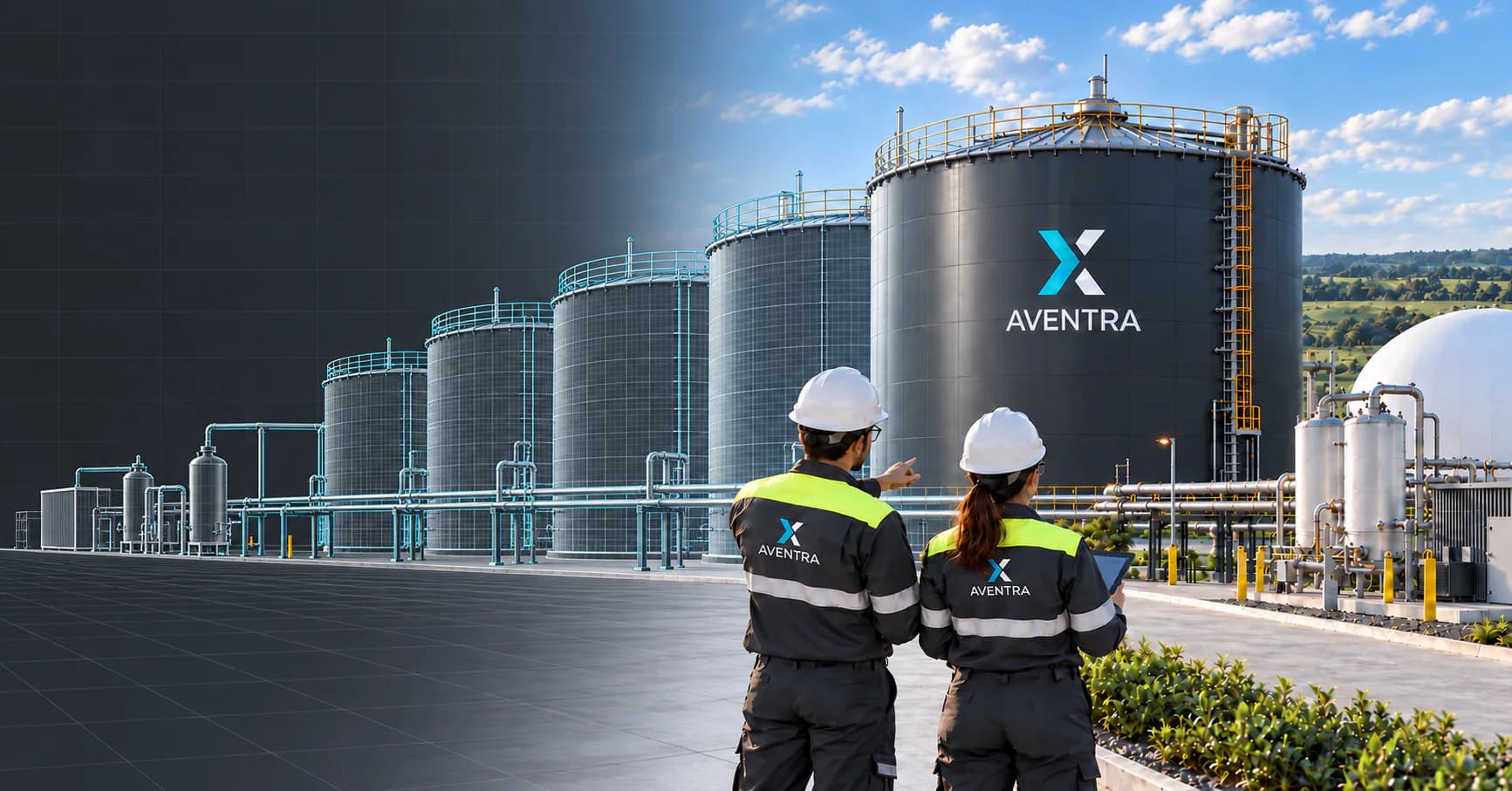
Brazil's sugar and ethanol industry knows the link between experience, innovation and competitiveness well. Over five decades, it transformed its agricultural and industrial operations, added bioelectricity, expanded production scale and brought in new revenue streams.
In 2004, José Goldemberg, Suani Teixeira Coelho, Plínio Nastari and Oswaldo Lucon examined this evolution in the paper Ethanol learning curve — the Brazilian experience. The study describes how technological development and economies of scale reduced costs and made Brazilian ethanol competitive.
That experience makes it possible to envision a similar process for biomethane produced from vinasse and filter cake.
Anaerobic digestion and gas upgrading are established technologies. Even so, applying them at sugarcane mills requires engineering to handle large substrate volumes, variations in composition, seasonality and integration with agricultural and industrial operations. It is in this work that we identify opportunities for improvement in the next projects.
Better conversion of organic matter, lower energy consumption, higher availability and lower methane losses have a direct effect on economic results. Repeating projects also makes it possible to refine equipment, standardize engineering and organize maintenance. These gains need to show up in the cost of delivered gas and in the mill's remuneration.
The International Energy Agency points in this direction. In the Outlook for Biogas and Biomethane, published in 2025, the agency projects a reduction of around 20% in the global average cost of biomethane by 2050. The estimate spans different regions and feedstocks, but it reinforces the weight of technological learning and scale in the development of the sector.
This does not mean we should rely on future cost reductions to justify a project today. It means developing economically sound projects, tracking their performance and feeding operational data into the continuous improvement of processes.
At AVENTRA, this vision guides the development of biomethane production units integrated with sugar and ethanol mills, focused on efficiency, reliability and control of methane emissions. Our work is to integrate technology, operations and commercialization to turn the potential of vinasse and filter cake into revenue for the mills.
References: Goldemberg, J.; Coelho, S. T.; Nastari, P. M.; Lucon, O. (2004). Ethanol learning curve — the Brazilian experience. Biomass and Bioenergy, 26(3), 301–304. IEA (2025). Outlook for Biogas and Biomethane. Paris: IEA.